Understanding the psychology of gambling Why do players take risks
The Allure of Risk-Taking
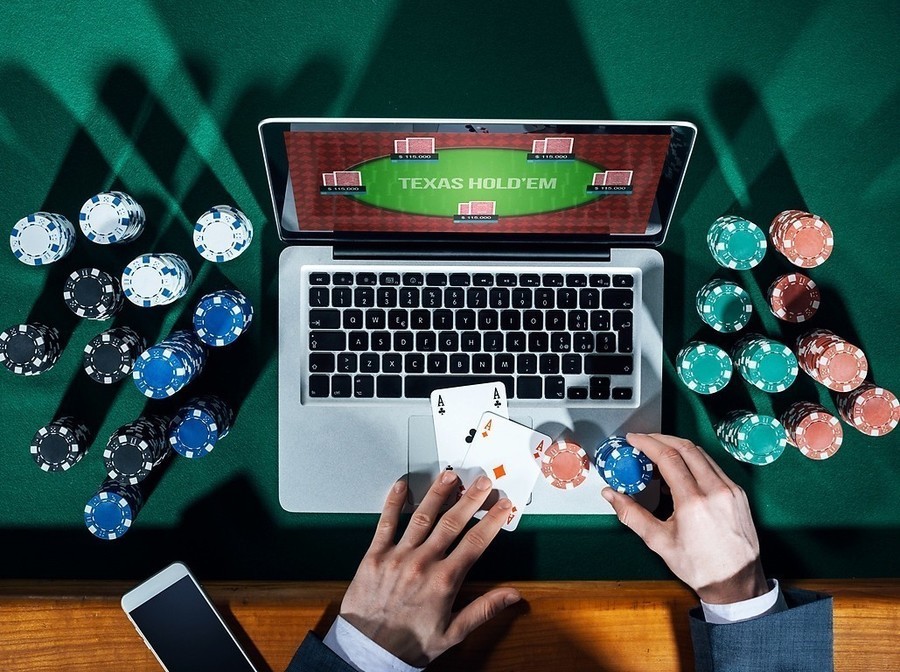
The psychology of gambling is deeply rooted in the human experience, tapping into our innate desire for excitement and thrill. Many players are attracted to gambling because it offers a unique blend of uncertainty and potential reward, including bitcoin betting sites that enhance the overall experience. This high-stakes environment can trigger the brain’s reward systems, releasing dopamine, a neurotransmitter associated with pleasure and motivation. As a result, players may feel euphoric when they win, further fueling their desire to engage in risk-taking behavior.

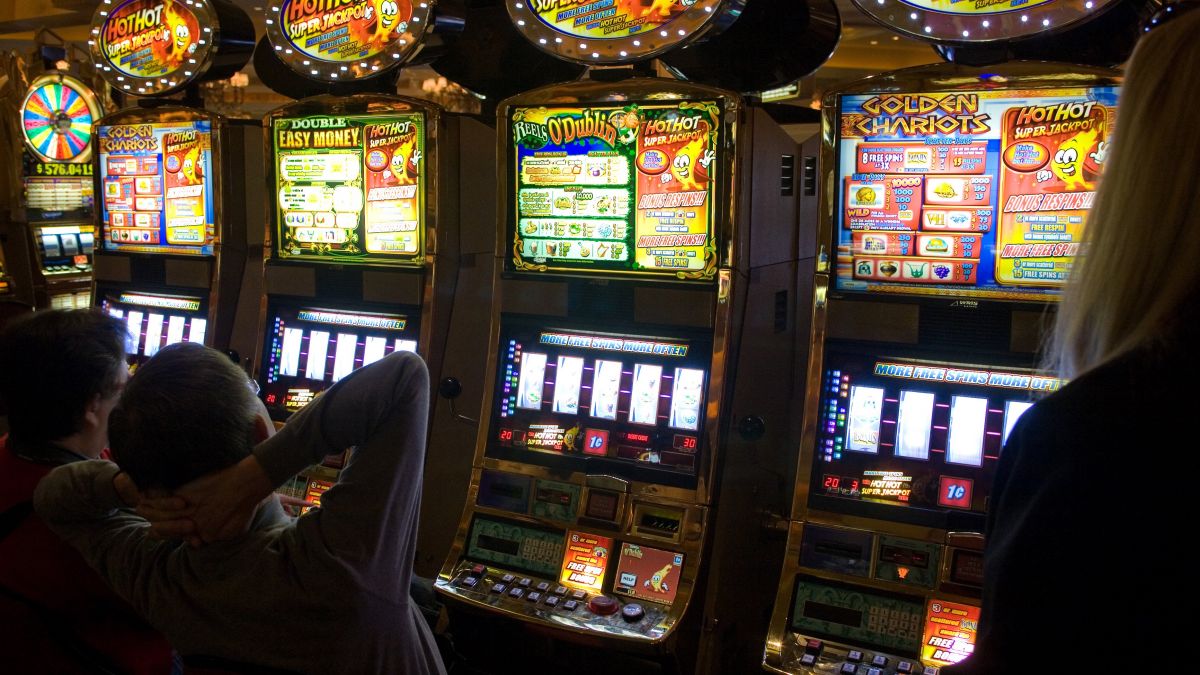
Moreover, the allure of risk-taking is often enhanced by the social aspect of gambling. Many individuals participate in games with friends or in bustling casinos, creating an atmosphere filled with excitement and camaraderie. This social component can amplify the emotional highs and lows experienced during gameplay, making the act of gambling even more compelling.
The Role of Cognitive Biases
Cognitive biases play a significant role in the psychology of gambling, influencing how players perceive their chances of winning. One prevalent bias is the illusion of control, where gamblers believe they can influence the outcome of a game through skill or strategy, even in games of pure chance. This belief can lead to increased betting, as players feel empowered by the idea that their decisions can affect results.
Another common cognitive bias is the gambler’s fallacy, where players mistakenly believe that past outcomes can influence future events. For instance, if a particular number hasn’t come up in a while, they may bet more heavily on it, thinking it’s „due“ to win. These biases not only shape a player’s approach to gambling but can also lead to irrational decision-making and increased financial risk.
Emotional Factors in Gambling
Emotions significantly impact gambling behavior, often driving players to take risks that they might not consider in other aspects of life. The thrill of winning can lead to a euphoric state, while losing can result in feelings of frustration or sadness. This emotional rollercoaster can create a cycle of behavior where players chase losses, believing that a big win is just around the corner.
Additionally, some players use gambling as a means of escapism, seeking to alleviate stress or anxiety. In such cases, the act of placing bets becomes intertwined with emotional well-being, further complicating the motivations behind their risk-taking behavior. This emotional dimension highlights the need for self-awareness and understanding the personal triggers that lead individuals to gamble.
Social Influences on Gambling Behavior
Social influences are crucial in understanding why individuals engage in gambling. The culture surrounding gambling can dictate not only how people perceive it but also how they participate. For instance, individuals raised in environments where gambling is normalized may be more likely to adopt similar behaviors as adults. Peer pressure can also play a significant role, with friends or family members encouraging participation.
Furthermore, the advent of online gambling platforms has transformed how social dynamics influence gambling. Players can now engage in gaming communities online, sharing experiences and strategies. This connectivity can reinforce risky behaviors, as individuals often feel compelled to join in on trending activities or bet larger sums to keep up with peers.

Your Guide to Understanding Gambling
Navigating the world of gambling can be complex, given the psychological intricacies at play. Understanding the motivations behind risk-taking is essential for anyone involved in gambling, whether for entertainment or financial gain. Gaining insights into the psychological, emotional, and social factors can empower players to make informed decisions and enjoy the experience responsibly.
Recognizing these elements can also help individuals identify when gambling becomes problematic. Seeking help and guidance is crucial for those who find themselves struggling with excessive risk-taking. By prioritizing knowledge and self-awareness, players can create a more balanced and enjoyable gambling experience.